
Jonathan Langer
Immigration relief, removal defense, criminal representation, and federal litigation, grounded in a commitment to immigrant justice and civil rights.
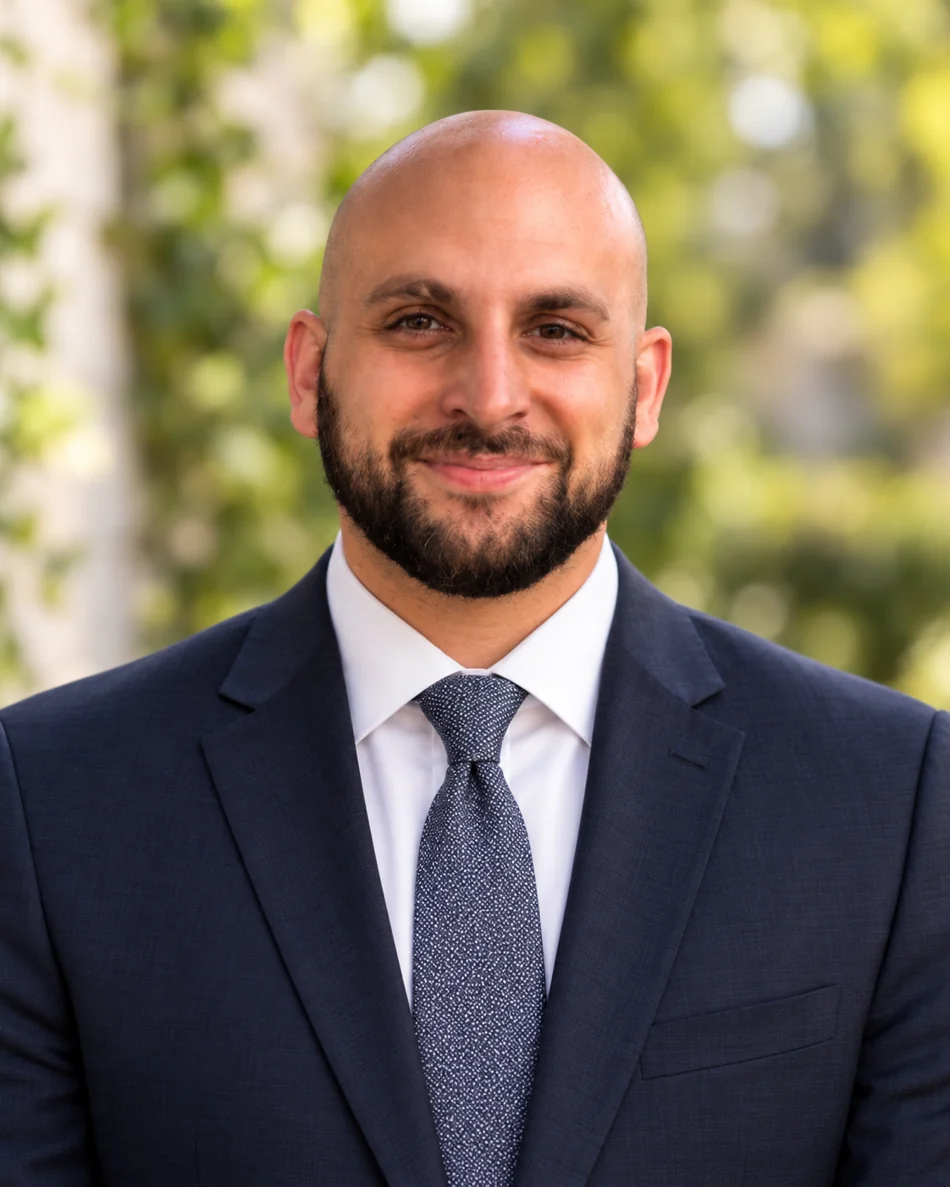
Immigration, Criminal Defense & Federal Litigation
Jonathan Langer is an attorney representing individuals and families in complex immigration matters, criminal proceedings, and federal litigation. His immigration practice encompasses all aspects of immigration law, including removal defense, asylum and humanitarian protection, immigration detention and habeas corpus, family- and employment-based immigration, adjustment of status, waivers of inadmissibility, naturalization, administrative appeals, and litigation challenging unlawful government action.
His practice places particular emphasis on complex removal proceedings involving criminal convictions, allegations of fraud, national security concerns, and other grounds of inadmissibility or deportability. He represents clients before immigration courts, federal agencies, and state and federal courts, including in cases requiring urgent intervention to prevent detention or removal.
In addition to his immigration practice, Mr. Langer represents individuals in criminal investigations, prosecutions, and appeals in state and federal courts. His criminal practice includes pre-charge investigations, negotiations with prosecutors, criminal defense, post-conviction relief, and matters involving the intersection of criminal and immigration law.
Professional background
Before founding the firm, Mr. Langer served as a Supervising Attorney at Catholic Charities Community Services, a major provider of immigration legal services in New York City. His earlier experience includes the CUNY Immigrant Rights Clinic and CLEAR Project, the ACLU of Arizona’s Border Litigation Project, and a judicial internship with the Honorable Analisa Torres of the United States District Court for the Southern District of New York.
Community and movement lawyering
His work is grounded in a longstanding commitment to immigrant rights, civil liberties, and movement lawyering. Before entering the legal profession, he worked on Palestinian refugee issues in the Middle East. He has worked with Families for Freedom, the Puente Human Rights Movement in Arizona, and First Friends of New York and New Jersey, including service on the latter’s Board of Trustees.
He has served as immigration counsel to a labor union and provides legal consultation and Know Your Rights training to nonprofit organizations, religious institutions, and community groups. His advocacy has also included representing immigrant farmworker communities in upstate New York and the Hudson Valley. He is also frequently sought out by journalists for commentary on emerging developments in immigration law and enforcement.
Approach
His practice emphasizes individualized representation, open communication, and sensitivity to the experiences of people facing persecution, discrimination, trauma, and government enforcement, including LGBTQ individuals and survivors of violence.
Education
City University of New York School of Law, J.D.; CUNY Law Review. Indiana University, B.A. with honors.
Admissions
New York and New Jersey; U.S. District Courts for the Southern, Eastern, Northern, and Western Districts of New York, the District of New Jersey, and the Western District of Pennsylvania; U.S. Court of Appeals for the Second Circuit.
Movement lawyering, abolition, and racial justice
Mr. Langer believes that law should be used not only to defend people within existing systems but also to contest the systems that criminalize migration, expand detention, and perpetuate racial inequality. His practice is informed by abolitionist principles: a commitment to reducing the reach of punitive institutions and building collective power alongside immigrant communities, labor organizations, and movements for civil rights. He regards legal advocacy as one tool, not the whole of the struggle, for liberation and equal dignity.
Partnership and preparation
Clients remain active participants in decisions about their cases. When appropriate, the firm coordinates with qualified interpreters, psychological evaluators, investigators, and other professionals to develop the evidentiary record. That work is informed by years of collaboration with immigrant-rights organizations, labor advocates, community groups, and people whose voices are often overlooked in legal proceedings.